- GDPR is crucial for businesses in the EU, with 7 core principles outlined to achieve compliance.
- The GDPR aims to give EU citizens control over personal data, including sensitive information.
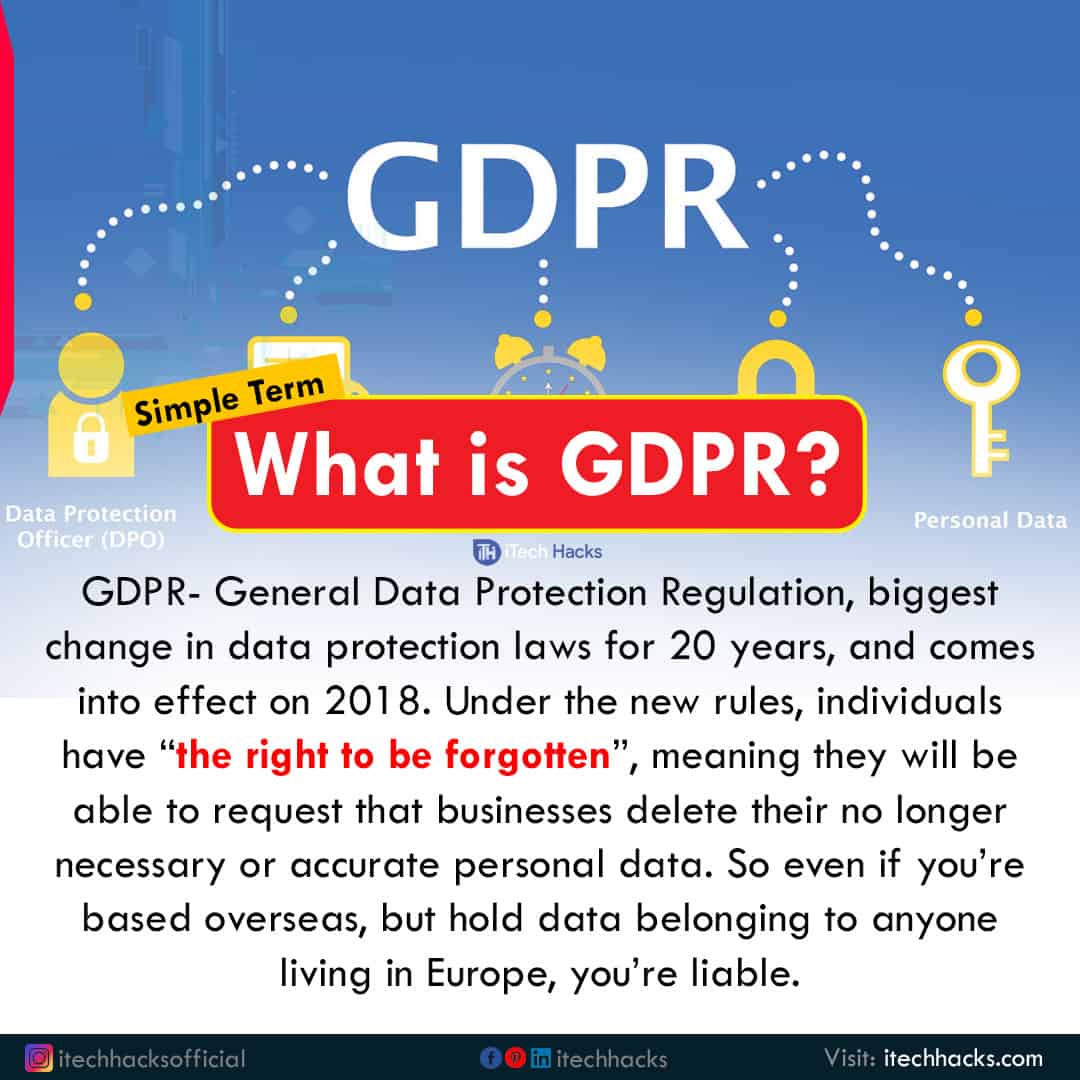
- Compliance involves obtaining consent, breach notification, data access rights, the right to be forgotten, and more.
The European Commission set out some of the plans for data protection across the EU i.e. European Union in order to make Europe ‘ fit for the digital age ’ and approximately four years later, the agreement was reached on how it will be enforced and what will be involved in it.
This new framework of the EU is applied to the organizations in all the member-states and has implications for individuals and businesses across Europe and beyond.
The vice president of the Digital Single Market, Andrus Ansip said that the Digital Future of Europe can only be built on trust and continued that with solid common standards for data protection, the people could be sure that they are in control of their personal information. Andrus Ansip said it when the reforms were agreed in December of 2019.
Instagram: @itechhacksofficial
The legislation identifies two different types of data handlers: Controllers and Processors. The definitions of each are laid out in Article 4 of the General Data Protection Regulation.
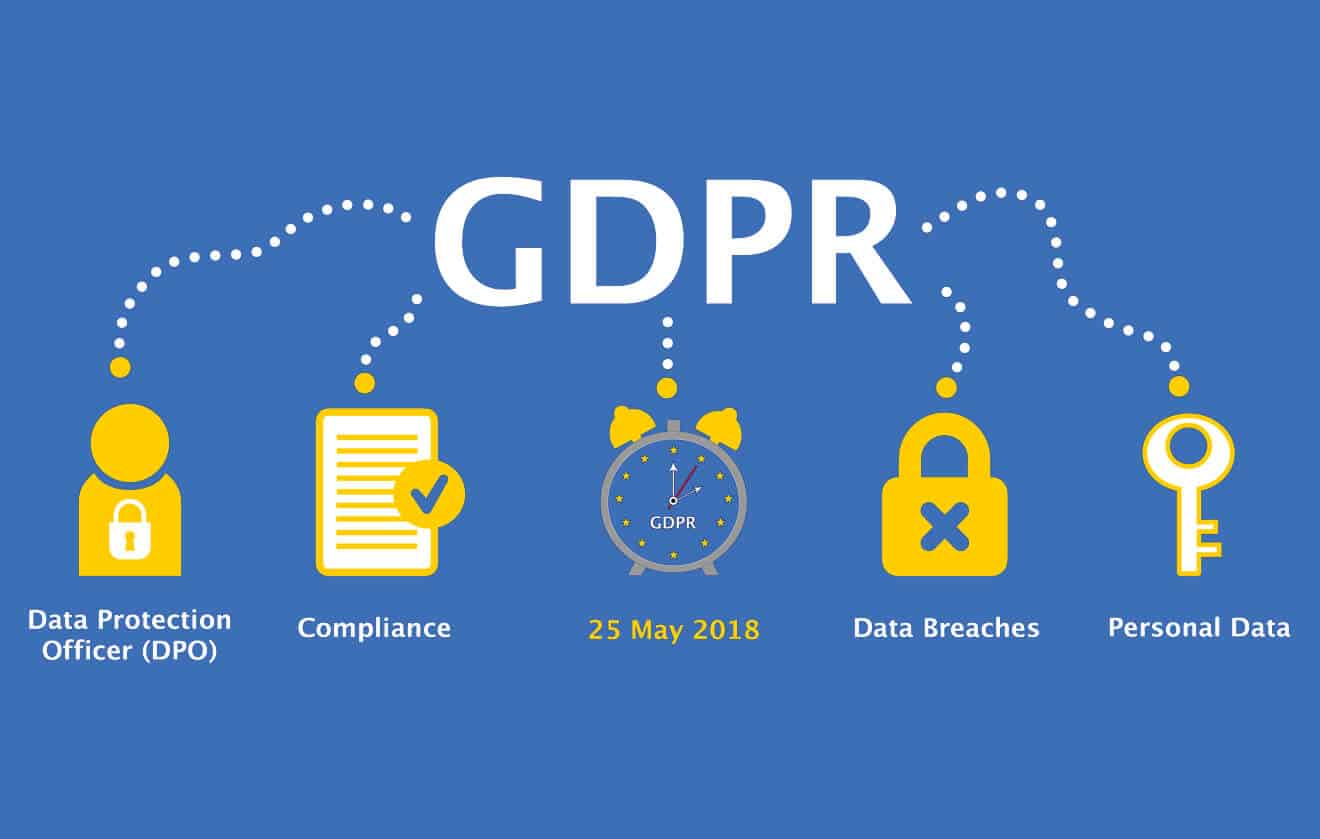
What is GDPR Compliance? 7 Principles of GDPR Explanied
1. Obtaining Consent.
your consent terms must be clear and the consents must be given as well as freely withdrawn at any time.
2. Timely Breach Notification.
3. Right to Data Access.
If the users are requesting their existing data profiles then the company must be able to serve the users with a fully described and detailed and free electronics copies of data you have collected about the users, and remember that this report must include the various ways the company is using the user’s information.
4. Right to be Forgotten.
It is also called the right to data deletion. If the original purpose or use of the company is completed then the customers have the full right to request the company to totaly delete the data.
- Lawfulness, fairness, and transparency
- Data minimization
- Purpose limitation
- Accuracy
- Storage limitations
- Honesty and confidentiality
- Accountability
