- Both the Host and Client PCs must use a Private network profile with network discovery and file and printer sharing enabled. Leaving the network as Public is the most common reason shared printers never appear.
- Errors like 0x0000011b happen because PrintNightmare protections prevent clients from pulling printer drivers from the Host. Installing the printer driver locally on the Client before connecting bypasses this safely without registry hacks.
In the modern home office or small business environment, efficiency is everything. Yet, many of us are still stuck in the “Stone Age” of printing: physically unplugging a USB printer from a desktop, carrying it across the room (or carrying a laptop to the printer), plugging it in, and hoping the drivers load before the deadline hits.
It is inefficient, it is frustrating, and frankly, it is unnecessary.
Why buy multiple printers or constantly swap cables when you can turn your main computer into a Print Server ? By mastering the settings for sharing printer windows 11, you can share a single high-quality USB printer with every laptop, desktop, and tablet on your local Wi-Fi network.
However, setting this up in 2025 isn’t as simple as checking a box. With the increased security protocols in Windows 11 (and the legacy of the “PrintNightmare” security patches), the process of sharing printers in Windows 11 requires navigating through firewalls, network profiles, and advanced sharing permissions.
This comprehensive, step-by-step guide will teach you exactly how to execute sharing printer windows 11 setups successfully. We will cover the prerequisites, the configuration, the connection process, and crucially, how to troubleshoot the stubborn errors that often plague this process.
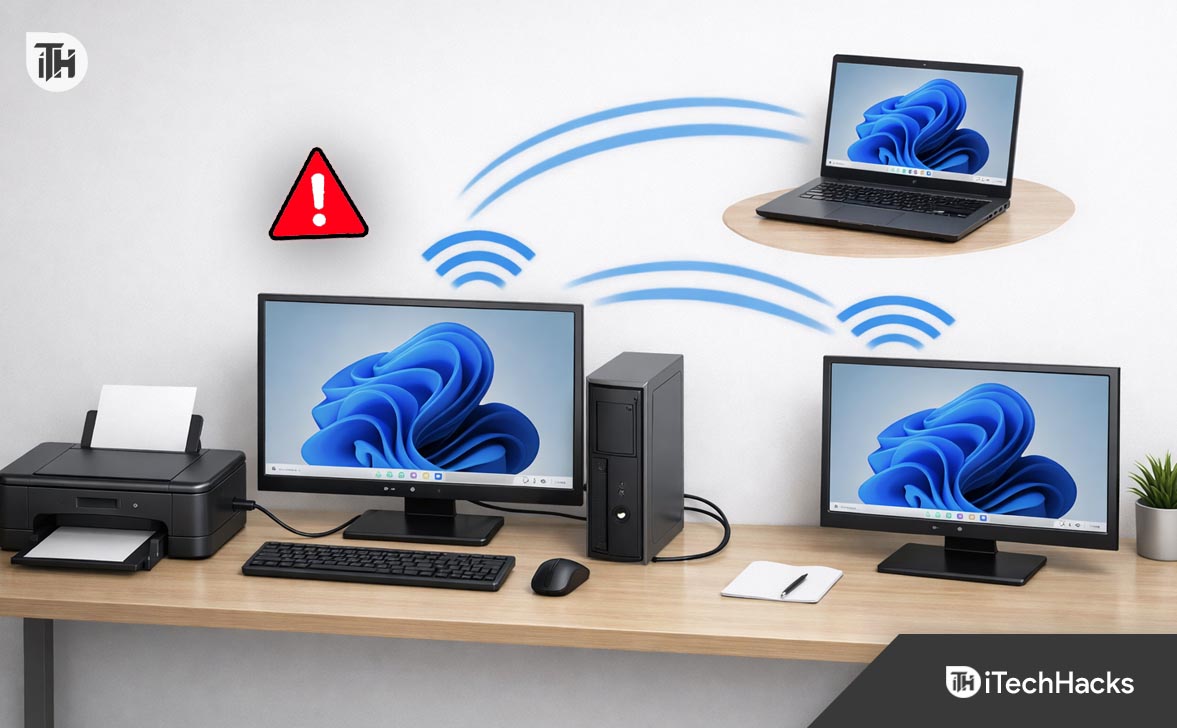
Understanding the Setup (Host vs. Client)
Before we start clicking buttons, it is vital to understand the architecture we are building. Unlike a modern “Network Printer” that plugs directly into your router via Ethernet or connects to Wi-Fi independently, a Shared Printer relies on a computer.
The Host PC (The Server)
- This is the computer physically connected to the printer via the USB cable.
- Crucial Rule: The Host PC must be Turned On and Awake for the printer to work. If the Host PC goes to sleep or is turned off, the printer becomes invisible to everyone else on the network.
The Client PC
- This is any other computer on the network (your laptop in the bedroom, your kid’s PC for homework) that wants to send print jobs to the printer wirelessly.
- The Client sends the data to the Host > The Host processes it > The Host sends it to the Printer.
The Network Foundation (Do Not Skip This)
By default, Windows 11 treats new Wi-Fi connections as “Public.” On a Public network, Windows builds a digital wall around your PC to hide it from hackers at coffee shops or airports. While this is great for security, it makes printer sharing impossible. You must tell Windows that you trust your current network.
Step 1: Set Network Profile to “Private”
You must perform this step on BOTH the Host PC and the Client PC.
- Open the Settings menu by pressing Windows Key + I .
- In the left sidebar, click on Network & internet .
- Click on Wi-Fi (if you are wireless) or Ethernet (if you are wired).
- Click on the properties of your current connection (often labeled with your Wi-Fi name, e.g., “Home_WiFi_5G”).
- Under the “Network profile type” section, you will see distinct options: Public network and Private network .
- Select Private network . What this does: It opens the necessary ports (TCP/UDP) in the Windows Firewall to allow other devices in your home to “see” your computer.
Step 2: Configure Advanced Sharing Settings
Even on a Private network, specific sharing protocols might be turned off by default in Windows 11.
- Go back to Settings > Network & internet .
- Click on Advanced network settings near the bottom.
- Click on Advanced sharing settings .
- Expand “Private networks”: Toggle Network discovery to On . (Check the box “Set up network connected devices automatically”). Toggle File and printer sharing to On .
- Expand “All networks”: Public folder sharing: You can leave this Off (unless you want to share files too). Password protected sharing: Option A (Secure): Leave it On . When you try to print from the Client PC, you will have to type in the Username and Password of the Host PC one time. Option B (Easy): Toggle it Off . Anyone on your Wi-Fi can print without typing a password. For most home users, Off is the preferred setting to avoid authentication headaches.
Configuring the Host PC
Now that the digital roads are open, let’s configure the Host PC to broadcast the printer signal. This is the core step in enabling sharing printer Windows 11 functionality.
- Navigate to Printer Settings: Press Windows Key + I to open Settings. Go to Bluetooth & devices > Printers & scanners .
- Select Your Printer: Click on the printer you wish to share (e.g., “Canon PIXMA” or “Brother HL-L2350”).
- Open Printer Properties: This is the tricky part. Windows 11 has a modern settings menu, but Printer Sharing still lives in the old code. Scroll down and find the link that says Printer properties . Note: Do not click “Hardware properties.” Look specifically for “Printer properties.” A smaller, older-looking window will pop up.
- The Sharing Tab: Click the tab labeled Sharing .
- Activate Sharing: Check the box: Share this printer .
- Name Your Share: Windows will suggest a name. It is highly recommended to change this to something short, simple, and without spaces . Bad Name: “Dad’s Canon Printer in the Office” Good Name: “OfficeCanon” or “HomePrinter” Why? Shorter names with no spaces are easier for older devices and command-line scripts to recognize.
- Render Print Jobs: Ensure the box “Render print jobs on client computers” is checked. This offloads the processing work to the laptop sending the file, which keeps the Host PC running smoothly.
- Finalize: Click Apply and OK .
Your printer is now “live” on the network.
Connecting the Client PC
Now, walk over to the laptop (Client) that needs to print. There are three ways to connect, ranging from automatic to manual.
Method A: The Automatic Discovery (The Happy Path)
If your network is configured perfectly, this is all you need to do:
- On the Client laptop, go to Settings > Bluetooth & devices > Printers & scanners .
- Click the blue Add device button.
- Windows will scan the network. After a few seconds, you should see your shared printer appear in the list, usually labeled as: “PrinterName on ComputerName” (e.g., “OfficeCanon on Desktop-PC”).
- Click Add device .
- Windows will connect to the Host, download the necessary drivers silently, and install the printer. You are done!
Method B: The Manual Directory Path (If Discovery Fails)
If Windows keeps spinning and says “No printers found,” don’t panic. We can force the connection using the specific network address.
Step 1: Find the Host Name
- Go to the Host PC .
- Open Settings > System > About .
- Look for Device name . Let’s say it is Dad-Desktop .
Step 2: Connect on Client
- Go to the Client PC .
- Go to Settings > Bluetooth & devices > Printers & scanners .
- Click Add device .
- Wait for the “The printer that I want isn’t listed” link to appear manually. Click Add manually .
- Select Select a shared printer by name .
- In the text box, type the path using this format: \HostName\ShareName Example: \Dad-Desktop\OfficeCanon
- Click Next .
- Windows will reach out directly to that address and attempt to install the printer.
Advanced Troubleshooting (When It Doesn’t Work)
Sharing printer Windows 11 processes are notorious for errors like 0x0000011b , Access Denied , or Windows cannot connect to the printer . Here is how to fix the most common 2025-era problems.
Fix 1: The “PrintNightmare” Error (0x0000011b)
A few years ago, a major security vulnerability called “PrintNightmare” was discovered. Microsoft patched it, but the patch often blocks legitimate printer sharing because it prevents the Client from downloading drivers from the Host.
The Solution: Install Drivers Locally First Instead of trying to pull the driver over the network, install it manually on the Client.
- Go to the printer manufacturer’s website (HP, Canon, Brother, etc.) on the Client laptop .
- Download the driver for your specific model.
- Run the installer.
- When it asks how to connect, select “My printer is not connected yet” or “Install software without connecting printer.” (If this isn’t an option, just install the basic driver files).
- Once the driver is installed on the Client laptop’s hard drive, try Method B (Manual Directory Path) again.
- Because the driver is already there, Windows won’t need to download it from the Host, bypassing the security block.
Fix 2: The SMB 1.0 Legacy Issue
If you are trying to share a very old printer (10+ years old) or connecting from a Windows 7 machine, you might need to enable an older sharing protocol.
- Click Start , type Turn Windows features on or off , and hit Enter.
- Scroll down to SMB 1.0/CIFS File Sharing Support .
- Check the box and click OK.
- Restart your PC. Warning: Only do this if absolutely necessary. SMB 1.0 is less secure than modern standards.
Fix 3: The Antivirus Firewall
If you use third-party antivirus software (Norton, McAfee, Bitdefender, Kaspersky), their firewalls are often stricter than Windows. They might see the incoming print request as a “hack attempt” and block it.
- Test: Temporarily turn off the Firewall in your antivirus software on the Host PC . Try to connect the Client.
- Result: If it works immediately, you know the antivirus is the culprit. You will need to go into your antivirus settings and set the Network Trust Level to “Private” or “Trusted Home Network.”
Fix 4: Restart the Print Spooler
Sometimes, the background service that handles printing just gets confused. Restarting it is the “Have you tried turning it off and on again?” of the printer world.
- Press Windows Key + R on your keyboard.
- Type services.msc and hit Enter.
- Scroll down the list until you find Print Spooler .
- Right-click it and select Restart .
- Do this on both the Host and the Client PC.
An Alternative Solution (Router Sharing)
If the hassle of sharing printer Windows 11 from a desktop PC that you have to keep turned on annoys you, there is one other way: Through your Router.
Many modern Wi-Fi routers (from brands like ASUS, Netgear, and TP-Link) have a USB port on the back.
- Plug your printer’s USB cable into the router’s USB port.
- Log in to your router’s admin panel (usually 192.168.1.1 or 192.168.0.1 ).
- Look for “USB Application” or “Print Server” settings.
- Enable the Print Server.
- On your PC, you will add the printer using the router’s IP address (TCP/IP Port).
This method allows any computer to print as long as the router is on (which is always), removing the dependency on a Host PC.
Conclusion
Sharing a printer on Windows 11 can feel like a daunting task due to the hidden menus and security layers. However, the convenience is worth the effort. By ensuring your network is set to Private , configuring the sharing printer windows 11 settings correctly, and knowing how to bypass the Driver Download blocks, you can create a seamless printing environment for your home or office.
No more emailing documents to yourself just to print them from the “main computer.” With a few clicks, you can print that report from the comfort of your couch.
How to Connect HP Printer to New WiFi Network Without Reinstalling
How to Fix HP Printer Not Showing Up on Network
How to Fix Windows 11 Printer Spooler Error
Fix HP Printer Connection Issues After Upgrading to macOS Sonoma
How to Delete Printer Driver In Windows 11
How to Install Windows 11 Printer Drivers Easily
Most HP printers connect best using the HP Smart app, especially models without a screen. Ensure the printer is in WiFi setup mode before starting.
HP printers typically support only 2.4GHz WiFi networks, not 5GHz. If you’re facing connection issues, verify you’re using the correct band.
To reconnect your HP printer to a new WiFi network, always reset its wireless settings first, then use the HP Smart app or Wireless Setup Wizard for a fresh configuration.
Connecting your HP printer to WiFi should be a straightforward task but in reality, many users struggle with connection issues, outdated setup instructions, or compatibility problems with newer devices. This guide is built from hands-on experience supporting hundreds of HP printer installations across residential, office, and educational setups.
Whether you’ve just unboxed a new HP printer or need to switch it to a new WiFi network, follow these tested and verified steps to get it working reliably. All instructions are current as of 2026, and apply to most modern HP DeskJet, ENVY, OfficeJet, and LaserJet models.
Before You Start: What You’ll Need
- A stable WiFi network (2.4GHz is recommended; avoid guest or enterprise networks unless configured properly)
- Your WiFi password
- A device to assist in setup: smartphone, laptop, or desktop
- HP Smart App (if using smartphone or tablet)
- Printer powered ON and within WiFi signal range
Fix: HP Printer Not Connecting to WiFi? Try These Proven Methods
Use HP Smart App to Connect HP Printer to WiFi (Recommended for Most Models)
This is the most reliable and compatible method for both touchscreen and non-touchscreen HP printers.
Install the HP Smart App
- Download the app on your smartphone, tablet, or Windows 11 PC from the official app store or hp.com.
- Make sure the device you’re using is connected to the same WiFi network you want your printer to join.
Power On the HP Printer
- Plug in your printer and turn it on.
- If it’s a brand-new printer, it should enter WiFi setup mode automatically.
- If not, press and hold the Wireless and Cancel buttons on the printer for 5 seconds until the WiFi light begins blinking.
Open HP Smart App
- Launch the app and tap “Set Up a New Printer.”
- Allow the app to access Bluetooth and location if prompted (required for detection on mobile).
Select Your Printer
- The app will detect printers in WiFi setup mode.
- Choose your printer from the list.
Enter WiFi Details
- Choose your WiFi network and enter the correct password.
- The printer will attempt to connect.
Confirm Setup
- Once connected, the blinking blue light on the printer will turn solid.
- You can now print a test page to verify the setup.
This method is ideal for users searching how to connect HP printer to WiFi without using a computer or cable.
Connect HP Printer to WiFi Using Wireless Setup Wizard (For Touchscreen Models)
If your HP printer has a built-in touchscreen, you can use the on-screen Wireless Setup Wizard.
- Access Wireless Settings: On the printer’s touchscreen, tap the Wireless or Settings icon.
- Launch Wireless Setup Wizard: Navigate to Network Setup > Wireless Settings > Wireless Setup Wizard.
- Scan for Available Networks: The printer will display all WiFi networks in range.
- Choose Your Network: Select your 2.4GHz WiFi network. Avoid connecting to a 5GHz network unless your printer specifically supports it.
- Enter Password: Type your WiFi password using the touchscreen keyboard and confirm.
- Connection Confirmation: Once connected, the wireless icon on the screen will display solid signal bars.
This method answers the common question: how do I connect my HP printer to WiFi using the printer’s screen?
How to Connect HP Printer to WiFi Without Touchscreen or HP App (Using WPS)
Some HP printers without screens support WPS (WiFi Protected Setup) . This method requires a compatible router with a WPS button.
- Enable WPS Mode on Printer: Press and hold the Wireless button on your HP printer until the WiFi light starts blinking.
- Activate WPS on Router: Within 2 minutes, press the WPS button on your wireless router.
- Wait for Connection: The printer’s WiFi light will stop blinking and turn solid once connected.
This method may not work on newer mesh WiFi systems. If WPS fails, use the HP Smart app instead for reliable connectivity.
This method is best suited for basic models where hp printer setup wifi cannot be done via app or screen.
Reconnect HP Printer to New WiFi Network (After Router Change or Move)
If you’ve recently changed your WiFi network or moved to a new location, your printer will need to be reconfigured.
- Go to Wireless Setup: Tap Settings > Network Settings > Wireless Setup Wizard.
- Select New Network: Choose your new WiFi network and enter the password.
- Save the Connection: Wait for the wireless icon to show a solid connection.
Step-by-Step Instructions for Non-Touchscreen Models:
- Reset Network Settings: Press and hold the Wireless and Cancel buttons together for 5 seconds until the blue light starts blinking.
- Open HP Smart App: Re-add your printer as a new device in the app.
- Connect to New WiFi: Follow the same process described in Method 1 to send the new WiFi credentials.
If you’re asking how to connect HP printer to new WiFi, this is the correct process for both old and new devices.
Connect HP Printer to WiFi Using Windows 11 Computer
You can also use a Windows PC to configure your HP printer’s wireless connection.
- Download HP Smart from Microsoft Store: Install the application and launch it.
- Connect Computer to Target WiFi: Make sure your PC is connected to the same WiFi you want the printer to use.
Start Printer Setup
- In HP Smart, click “Add Printer.”
- The app will search for printers in setup mode.
- Select Printer and Enter WiFi Details: Choose your printer, enter the WiFi password, and complete the setup.
- Confirm Connection: Check for confirmation inside the app or print a test page.
This method is often used in small business offices and shared workspace environments.
Set Up WiFi on HP Printer Using macOS Ventura or Sonoma
If you use a Mac, HP Easy Start is the recommended tool for setting up wireless printing.
- Download HP Easy Start: Visit HP’s official support page and download the utility.
- Run the Installer: Allow permissions for network access when prompted.
- Detect Printer in Setup Mode: Ensure your printer is blinking blue (WiFi setup mode enabled).
- Choose WiFi Network: Select your 2.4GHz WiFi and enter the password.
- Complete Setup: Once connected, the printer will appear in your Mac’s system preferences under “Printers & Scanners.”
If you’re wondering how to connect my HP printer to WiFi on macOS, this is the supported method.
How to Verify WiFi Connection Was Successful
After setup, you should always confirm that your HP printer is connected properly.
Option 1: Print Network Configuration Report
- On touchscreen models, go to Settings > Network Settings > Print Report .
- On non-touchscreen models, press and hold the Information button or Wireless + Information together until a report prints.
The report will show:
- Connection status
- IP address
- Signal strength
- SSID connected
Option 2: Check via HP Smart App
- The app will display your printer’s connection status on the home screen.
1. How do I connect my HP printer to WiFi without the HP Smart app?
If your HP printer has a touchscreen, you can use the Wireless Setup Wizard found in the Network Settings menu. For printers without a screen, use the WPS method by pressing the Wireless button on the printer and then the WPS button on your router. This avoids using the HP Smart app but is limited to certain models and router types.
2. Why won’t my HP printer connect to my new WiFi network?
This typically happens when the printer is still trying to connect to your old WiFi network. To fix this, reset the printer’s network settings by pressing and holding the Wireless and Cancel buttons for 5 seconds. Then use the HP Smart app or Wireless Setup Wizard to reconnect the printer to your new network.
3. Does my HP printer support 5GHz WiFi networks?
Most HP printers do not support 5GHz WiFi and will only connect to 2.4GHz networks. If your router combines both bands under a single SSID, you may need to create a separate 2.4GHz network or temporarily disable 5GHz during setup to ensure successful connection.
Conclusion
Successfully setting up your HP printer on WiFi in 2026 requires choosing the right method for your specific model and network setup. Whether you use the HP Smart app, touchscreen wizard, or WPS, always confirm your printer is in the correct mode before beginning. Stick to 2.4GHz networks, keep firmware updated, and avoid skipping the reset step when switching networks.
Following these proven steps ensures your HP printer connects reliably and stays online for all your wireless printing needs.
How to Fix HP Printer Not Showing Up on Network
Fix HP Printer Connection Issues After Upgrading to macOS Sonoma
HP LaserJet Pro M404n Driver Download for Windows & macOS
How to Fix HP Laptop Won’t Turn On Problem
How to Fix Windows 11 Printer Spooler Error
How to Delete Printer Driver In Windows 11
How to Fix Error 740 While Adding Printer on Windows 10/11
HP INC. is a leading information technology company known for manufacturing printers, desktops, laptops, and more.
HP printers on a network allow multiple users to access the same printer without reconnecting, saving time.
To fix HP Printer Not Showing Up on Network, troubleshoot by power cycling, uninstalling devices, performing factory resets, updating drivers, and connecting devices to the same network.
HP INC. is one of the well-known multinational information technology companies based in America that manufactures personal desktops, laptops, computer peripherals, printers, printer-related supplies, 3D printing solutions, and more. Talking about the HP Printers for both Home and Business are exceptionally good in terms of price-to-performance ratio. However, the HP Printer Not Showing Up on the Network on the computer is somehow frustrating.
A Network Printer can be any standard or AIO printer from HP, which can easily be accessible by the same network connection on the Windows desktop/laptop. So that other users can use the same printer, which will be connected to the same network. In that case, users in the same office or store or home desk won’t have to disconnect and reconnect the printer, which saves time & effort.
Obviously, the network printer might use a specific internet connection (local network) to perform such actions. But somehow, the HP printer can’t show up on the network that the computer is using due to multiple reasons. It can be a different network connection, an outdated printer driver , not supporting dual-band Wi-Fi , incorrect setup configuration, print spooler service not running, and more.

Fix HP Printer Not Showing Up on Network
If your HP Printer is not visible or recognizable on the computer’s connected network during the setup process that means there is some glitch or networking connectivity issue. Make sure to first disconnect the printer cable from the router and the computer then reset the HP printer to its default factory settings. Then you’ll need to re-configure the printer on the network.
Let us explain all the troubleshooting methods below. You should follow all methods individually to resolve such an issue.
1. Power Cycle the HP Printer and the PC
Always try to perform the power cycle method on your computer as well as other problematic devices to verify if the issue still bothers you or not. Power Cycle basically an advanced version of restarting the device which helps refresh the system glitch without any major troubleshooting. As this kind of method already helped a lot of users, you shouldn’t avoid it.
- First, shut down both the computer and HP Printer.
- Then unplug the power cord from both devices.
- Wait for around 5 minutes and then reconnect the power cord again.
- Now, turn on both devices and check for the issue.
2. Uninstall the HP Printer Device via Control Panel
Sometimes any kind of unknown third-party device application can be installed on your computer in the name of HP Printer, which can also interfere with the printer connectivity or its operations. It’s better to uninstall the HP Printer Device or similar application from your PC via Control Panel (if found).
- Go to the Start menu and search for Task Manager .
- Now, go to Processes , and single-click on HPDriver.exe .
- Click on End Process to close the task.
- Once done, go to the Start menu and search for Control Panel .
- Then open Control Panel and go to Programs .
- Next, click on Programs and Features .
- Search for the HP Printer Device application in the list.
- Right-click on the HP Printer Device app and select Uninstall .
- Follow the on-screen prompts and complete uninstallation.
3. Perform the Factory Reset on the HP Printer
Additionally, you’ll have to perform a factory reset on the HP Printer to avoid incorrect configuration or settings. Remember that restoring the factory default will remove all custom settings from the printer.
- Open the Setup menu on your HP printer’s interface.
- Click on Tools and select the Restore Factory Default option.
- If your printer does not have a screen then long-press the Cancel button and network (Wi-Fi) button for around 10 seconds until the Wi-Fi and Power indicators start blinking.
- Now, you can reconfigure the HP Printer again with the setup process.
4. Reconfigure the HP Printer to the Network
Whenever your HP Printer gets added to the Devices and Printers list, only then your connected printer will be shown on the computer. Once detected by the Windows system, the device drivers will also get installed automatically these days. So, you’ll need to add the HP printer to the network before doing anything else.
- Open the Start menu then search for Control Panel .
- Open Control Panel and go to Hardware and Sound .
- Click on Devices and Printers .
- Now, click on Add a printer .
- You’ll receive a popup and select your specific printer model there.
- If your PC doesn’t detect your printer automatically, click on The printer that I want isn’t listed .

- Click on Select a shared printer by name .
- Type in your printer name in the text box and click on the Next button.
- Your PC will connect to the printer. Now, check if your network printer is recognizable on the PC or not.
5. Connect the Same Network for Both Devices
You should also connect both PC and Printer to the same network to avoid the network printer connectivity or recognization issue.
6. Update the HP Printer Driver
Another thing you should do is to update the HP Printer Driver on the Windows computer by following the steps below. It’ll help in fixing the outdated printer driver. A new device driver mostly brings stability and improvements to its previous version.
- Open the Start Menu and search for Device Manager .
- Now, launch Device Manager then double-click on Print Queues .
- Right-click on the printer device driver.
- Select Update driver and choose Search automatically for drivers .
- It’ll search for available updates and automatically start downloading.
- Once installed, the system will automatically reboot the system to apply changes.
In case, your PC doesn’t have the required printer driver version or no updates are available then make sure to visit the official website of the HP Software & Driver Downloads webpage to get the latest drivers for the particular model. Next, you can install the driver.
7. Ensure the HP Printer and PC are Connected to a Single-Band Wi-Fi
You should also ensure that the HP Printer and the PC are connected to a single-band Wi-Fi network so that the Windows system can detect the printer. The chances are possible that your HP printer has 2.4GHz single-band Wi-Fi support. So, don’t connect the printer and computer to a 5GHz dual-band Wi-Fi network.
8. Restart and Enable the Print Spooler Service
You should try restarting and enabling the print spooler service on the Windows system manually by following the steps below to ensure there is no issue with the print spooling or queuing. If this service isn’t running or not active yet then make sure to restart and enable it.
- Go to the Start menu and search for Services.
- Open the Services app and locate Print Spooler .
- Now, double-click on the Print Spooler service to open its properties.

- Under the General tab, select Automatic from the Startup type .
- Click on Apply and then click on Start .
- Then click on OK to save changes and reboot the PC.
9. Run the Printer Troubleshooter
The troubleshooter method can also help you find and resolve multiple unknown issues you might not generally find as a warning or error notice. If you’ve already tried out all of the above methods, then you should run the printer troubleshooter by following the steps below.
- Press the Windows+I shortcut keys to open Settings .
- From the System tab, click on Troubleshoot .
- Click on Other troubleshooters .

- Click on the Run button next to the Printer .
- Then follow the on-screen prompts and complete the process.
- It’ll help in fixing the HP printer network connectivity issue with the computer.
10. Contact HP Customer Support
Finally, you should contact HP Customer Support and submit all details regarding the HP Printer not showing up on the network with your computer to fix this issue. If nothing helps you, try to raise the ticket to get dedicated help.
How to Fix HP Laptop Won’t Turn On Problem
How to Hard Reset/Factory Reset HP Laptop Windows 7/8/10/11
How To Take a Screenshot On HP Laptop
How to Update BIOS on HP Windows 10,11 Desktop/Laptop
How to Fix HP Scanner Not Working in Windows 11
How to Fix Error 740 While Adding Printer on Windows 10/11
How To Delete Printer Driver In Windows 11
Printer spooler error in Windows 11 is a common issue caused by an overloaded spooler with printing tasks.
Solutions to fix the error include restarting your PC, updating Windows, running the printer troubleshooter, clearing the printer queue, using a different printing app, and reinstalling the printer.
Additional fixes involve fixing print spooler services, clearing the printer queue, and using the command prompt to stop and restart the spooler.
Many times when wanting to take a printout from the printer, you may get a certain error that may cancel the print. This can be frustrating when you have to take a printout, but due to certain errors, you are not able to do so. Printer spooler error is a common error in Windows 11 that you may encounter. The printer spooler organizes the printing tasks. Moreover, it queues them for being sent to other printers and printing services. When the printer spooler is overloaded with tasks then you may face this error.
Fix Printer Spooler Errors in Windows 11
If you are facing Printer Spooler Errors in Windows 11, then there is nothing to worry about it. In this article, we will be discussing how you can fix Printer Spooler Errors in Windows 11.

Fix 1: Restart Your PC
Many times this error may be associated with random and temporary bugs on your system. Such errors can easily be solved by restarting your PC. You should try restarting your PC, and then check if you still get the error or not.
Fix 2: Update Your Windows
You should try updating your Windows 11. If this is a bug in Windows 11, then it will get fixed in the latest update of Windows 11. You should try updating your PC, and then check if you still get the Printer spooler errors in Windows 11 download .
Fix 3: Run The Printer Troubleshooter
The next thing that you can do is running the printer troubleshooter. The printer troubleshooter will identify any problems with your printer and will fix them. To run the printer troubleshooter, follow the steps given below-
- Open the Settings on your PC by pressing the Windows + I key combo.
- By default, you will be headed to the System section in Settings. If you are not on the System section, then you can click on System in the left sidebar in the settings.

- Here, click on troubleshoot and then click on other troubleshooters. Now click on the run option next to the printer. This will run the printer troubleshooter.
- Follow the on-screen instructions to scan your printer for any problem and fix it.
Fix 4: Clear The Printer Queue
As we have discussed, you may encounter this issue when the Printer Spooler is overloaded with various printing jobs. To fix this issue, you must try clearing the printer queue. After you clear the printer queue, the Printer Spooler will no longer be overloaded, and you will not face the issue.
Fix 5: Use Another App And Remove All Other Printers
If you still face this issue, then you should try using any other printing app. You may face this error due to some bug in the app you are using. Try using any other app for printing and the issue should be fixed.
You may also face this issue if multiple printers are connected to your PC. Multiple printers may conflict with the PC and may cause Printer Spooler errors in Windows 11. You may try removing all the other printers that may be causing the error, and check if the error persists or not. If you still get the Printer Spooler error, then you should move to the next step.
Fix 6: Reinstall The Printer
You should try removing the printer that you are using for printing. Remove the printers along with the drivers, and the software. Once done, reinstall the printer, and try printing again. You should now not face the issue.
Fix 7: Fix Print Spooler Services
Another thing that you can try doing is fixing the Print Spooler Services. To do so, follow the steps given below-
- Press the Windows + R key combo on your keyboard. In the run dialog box, type services.msc and hit Enter.
- This will open Services windows on your PC.
- Here search for Print Spooler services. Right-click on it, and then click on the Properties option.

- Head to the General tab in the properties, and then click on Stop.
- After doing so, press the Windows + R key combo, and type C:\Windows\System32\spool\printers, and hit Enter.
- Now select everything in the printers folder, and delete them.

- Now head back to the Print Spooler Properties window in the Services.
- Now click on the start button to start the service again. Once done, click on OK.
Now try printing from the printer, and you should now not encounter the Printer Spooler errors in Windows 11.
Fix 8: Fixing Print Spooler Using Command Prompt
If the above methods didn’t help you fix the issue that you were facing, then you should try using the Command prompt to fix it. Follow the steps given below to fix the issue-
- In the start menu, search for CMD . Right-click on the command prompt and then click on run as administrator.

- Now in the command prompt, type the following commands, and execute them- net stop spooler del /Q /F /S “%systemroot%\System32\Spool\Printers*.*” net start spooler
Once done, you should now no longer face the issue. This method is the same as the previous method. Instead of the Services app, you will be using the command prompt here to fix the issue.
RELATED GUIDES:
- Fix Xbox One That Won’t Connect To Live in Windows 11
- How to Fix Critical Process Died Error in Windows 11
- How To Fix Stuck Airplane Mode In Windows 11
Final Words
If you are facing Printer Spooler errors in Windows 11, then you can follow the steps given in this article. Following the above steps mentioned in this article, you will be able to troubleshoot the error.
- After updating to macOS Sonoma, many users face problems with HP printers because there are no updated drivers for macOS 14 yet.
- If your printer does not support AirPrint or still has issues, try resetting the printer’s settings to clear any old configurations that might be causing problems.
After upgrading to macOS Sonoma, many users have reported issues with their HP printers not working or failing to connect. This is a common problem because HP has not yet released updated drivers compatible with macOS 14, leaving users stuck with non-functional printers. Whether you’re facing issues with printing, scanning, or connecting your HP LaserJet or OfficeJet printer, it can be frustrating to find a solution.
If you’ve been wondering, “Where can I find drivers for HP printers compatible with Sonoma?” , you’re not alone. While there may not be official drivers available for some HP models yet, there are several practical solutions you can try to get your printer back up and running.
How to Fix HP Printer Connection Issues After Upgrading to macOS Sonoma
Let’s dive into the solutions and get your printer up and running smoothly on your new macOS Sonoma!
1. Verify AirPrint Compatibility
One of the simplest ways to avoid driver-related issues with your HP printer after upgrading to macOS Sonoma is to check if your printer supports AirPrint . AirPrint allows you to print wirelessly from your Mac without the need for manufacturer-specific drivers or software. Many newer HP printers come with AirPrint support, which can make the setup process seamless and prevent compatibility problems when the operating system updates.
Why Use AirPrint?
When macOS is updated, some printer manufacturers like HP may not release updated drivers right away, causing printers to stop working. However, if your printer supports AirPrint, it can bypass the need for drivers, allowing you to print directly from your Mac without additional setup.
Steps to Check AirPrint Compatibility:
- Open System Settings: Click the Apple Menu in the top-left corner of your screen and select System Settings .
- Navigate to Printers & Scanners: On the left sidebar, find and click on Printers & Scanners .
- Check for Your Printer: If your printer is not already listed, click the + button to add a new printer.
- Select AirPrint: When your printer shows up in the list, select it. In the Use dropdown menu, check if AirPrint is available as an option. If it is, select AirPrint to set it up.
If AirPrint is Available:
- Your HP printer should work without any additional drivers, and you can start printing right away using macOS Sonoma.
2. Reset Printer Preferences
If your HP printer isn’t working after the macOS Sonoma upgrade and it’s not AirPrint-compatible, resetting your printer preferences is a helpful next step. This can clear any lingering issues caused by outdated drivers or conflicts from the macOS update, allowing you to reconnect your printer as if it were brand new.
Why Reset Printer Preferences?
When you update your Mac’s operating system, it can sometimes cause problems with printer settings. Resetting printer preferences will remove any previous configurations that might be causing issues and help establish a fresh connection between your printer and macOS Sonoma.
- Open System Settings: Click the Apple Menu () in the top-left corner of your screen and choose System Settings .
- Go to Printers & Scanners: In the left-hand sidebar, click on Printers & Scanners .
- Reset Printing System: Right-click (or Control + click) anywhere in the list of printers, and select Reset Printing System from the drop-down menu. A warning will appear asking if you want to reset the printing system. Click Reset to confirm.
- Re-add Your Printer: After the reset, your list of printers will be empty. Click the + button to re-add your HP printer.
- Select Printer from List: Choose your HP printer from the list of available devices and add it. If your printer is connected to the network or via USB, it should appear in the list automatically.
- Install the Correct Driver: If prompted, select the correct driver (if one is available) or opt for the Generic PostScript Printer option, which we will cover in more detail in the next section.
3. Use a Generic PostScript Printer Driver
If resetting your printer preferences didn’t solve the problem and your HP printer isn’t AirPrint-compatible, using a Generic PostScript Printer Driver can be an effective workaround. This option allows you to print basic documents, even if the full range of your printer’s features (like scanning or color printing) isn’t available.
- Open System Settings: Click the Apple Menu and choose System Settings .
- Go to Printers & Scanners: Click on Printers & Scanners in the left-hand sidebar.
- Add a Printer: Click the + button to add a new printer.
- Select Your HP Printer: Your HP printer should appear in the list. Select it.
- Choose a Driver: In the Use dropdown menu, select Generic PostScript Printer . This option allows you to print, although some advanced features like duplex printing or scanning may not be supported.
- Add the Printer: After selecting the driver, click Add to finalize the setup.
4. Download HP Drivers Manually
If using a generic driver doesn’t give you the desired functionality, you can try manually installing older drivers. Many HP printers don’t have updated drivers for macOS Sonoma, but you can often use the drivers for macOS 13 Ventura or earlier. This method can restore full functionality to your printer, including features like color printing and scanning.
- Visit HP’s Support Website: Go to the HP Printer Support Page . Enter your printer model (e.g., HP LaserJet or OfficeJet) in the search box.
- Find the Latest Drivers: HP may only offer drivers for macOS 13 Ventura or older versions. Download the most recent driver available, even if it’s not specifically for macOS 14 Sonoma.
- Install the Drivers: Open the downloaded driver file and follow the installation instructions. Once installed, go to System Settings > Printers & Scanners .
- Add the Printer: Click the + button to add your printer. Your printer should now appear with the installed driver, restoring more advanced functions like scanning and color printing.
Potential Drawback:
You may receive a message like, “This update requires macOS version 13.0 or earlier” when installing the driver, but in many cases, the drivers will still work once installed.
5. Use Pacifist to Force Driver Installation
For more stubborn cases where HP drivers won’t install, you can use Pacifist , a third-party tool, to force drivers to work on macOS Sonoma. Pacifist allows you to open installer packages and manually install specific files, bypassing compatibility issues.
Pacifist is a free app that helps users manage and extract files from installation packages. It can be used to install printer drivers that would otherwise not work with macOS Sonoma, especially for older printers.
- Download Pacifist: Go to Pacifist’s website and download the app.
- Download HP Printer Software: Download the latest HP Printer Software Update from HP’s support page or directly from Apple. If Sonoma drivers are unavailable, download macOS Ventura or Monterey drivers.
- Open the Driver File with Pacifist: Open Pacifist and select Open Package . Navigate to the downloaded HP printer driver package (usually a .pkg file) and open it.
- Install the Drivers: In Pacifist, select HewlettPackardPrinterDrivers.pkg . Click Install at the top of the window to force the installation of the driver.
- Add Your Printer: Once the installation is complete, go to System Settings > Printers & Scanners . Add your printer using the + button.
Note of Caution:
Using Pacifist may not work for every printer model, but it’s a great option for those who are tech-savvy and willing to try additional steps to force drivers to work.
6. Update Printer Firmware
Sometimes, outdated firmware on your printer can cause compatibility issues with macOS updates like Sonoma. Updating your printer’s firmware ensures that it works smoothly with the latest features and security protocols introduced by macOS.
- Go to the HP Support Page .
- Enter your printer model and check for available firmware updates.
- Download the firmware update if available.
- Follow the instructions provided by HP to install the firmware update on your printer.
- After the firmware update, restart both your printer and your Mac.
- Go to System Settings > Printers & Scanners , and re-add your printer if necessary.
7. Reconnect Printer to Wi-Fi and Reset Network Settings
For wireless printers, ensuring your printer and Mac are connected to the same network is crucial. Sometimes, after a macOS update, network settings can get mixed up, causing communication issues between your Mac and printer. Reconnecting your printer to the Wi-Fi network and resetting network settings on your Mac can resolve these issues.
- Go to your printer’s Network Settings (usually through the control panel) and disconnect it from the Wi-Fi.
- Reconnect the printer to the correct Wi-Fi network.
- Go to System Settings > Network > Wi-Fi .
- Click on the i icon next to your current network and choose Forget This Network .
- Reconnect your Mac to the same Wi-Fi network as the printer.
- Go to System Settings > Printers & Scanners .
- Click the + button and add your printer.
8. Use HP Smart App for Easy Setup
If you’re still facing issues after trying other methods, the HP Smart App can simplify the process of setting up and managing your printer. It helps you find your printer on the network and can automatically install necessary drivers and updates.
- Open the Mac App Store and search for HP Smart .
- Download and install the app on your Mac.
- Open the HP Smart App and follow the on-screen prompts to find and connect your HP printer.
- The app will guide you through adding the printer to your network or Mac.
- If necessary, the HP Smart App will prompt you to download and install any missing drivers or firmware updates.
9. Temporary Workaround: Print Using an iPhone or iPad
If you’re unable to get your printer working with macOS Sonoma, using AirPrint on an iPhone or iPad can be a quick and easy workaround to print documents. This method is especially useful for printing from the same network without needing to fully fix the printer issue on your Mac right away.
- On your Mac, save the document you want to print to iCloud Drive or another cloud service accessible from your iPhone or iPad.
- Use the Files app to locate and open the document on your mobile device.
- Tap the Share icon (a square with an arrow pointing up), and select Print .
- Your printer should appear in the list if it’s connected to the same Wi-Fi network.
- Adjust the print settings if needed, and tap Print to send the job to your HP printer.
Conclusion
By following these methods, you should be able to resolve most HP printer connection issues after upgrading to macOS Sonoma. Whether you’re checking for AirPrint compatibility, resetting printer preferences, installing drivers manually, or using tools like Pacifist and HP Smart App, there are multiple ways to get your printer up and running again. If all else fails, using AirPrint from an iPhone or iPad can be a handy temporary workaround.
External Hard Drives SSD Keeps Disconnecting macOS Sonoma, but Accessible on iPhone
WallpaperVideoExtension High RAM and CPU Usage in macOS
Slow Login After macOS Sequoia Update: 9 Ways to Fix it
Top 10 Ways to Fix macOS Sonoma Battery Draining Fast Issues
Top 10 Ways to Fix macOS Error Code 10000
Deleting printer drivers in Windows 11 can fix printer-related issues
Use the Settings app to delete printer drivers easily:
Open Settings using Windows + I
When there’s some problem with the printer, and you cannot use it on your PC, the best way to fix the issue would be to remove the printer driver. Well, many people prefer removing the printer and then installing it again, and to some extent, that can do the job if the issue is not due to the hardware issues. If you have been facing issues with the printer and want to delete the printer driver, fortunately, you do have the option to do so.
Delete Printer Driver In Windows 11
In this article, we will be discussing how you can delete a printer driver in Windows 11 .
Deleting Printer Driver Through The Settings App
The very first way to delete printer drivers is through the Settings app. To delete the printer driver through the Settings app, follow the steps given below-
- Press the Windows + I key to open the Settings app on your PC.
- Next, click on the Bluetooth & devices on the left sidebar of the Settings app.

- Now on the right side, click on the Printers & Scanners. You will see a list of all the printers you have added to your PC.

- Click on the printer for which you want to delete the driver. Now, click on the Remove button next to the printer to remove it along with the drivers associated with it.

- If you are asked to confirm deleting the printer driver, click on Yes. Once done, restart your PC for the changes to take effect.
Deleting Printer Driver Using Print Management
Another way to do so is by using print management. Follow the steps given below to delete the printer driver using the print management-
- Press the Windows key on your keyboard to open the Start Menu. In the Start Menu, search for Print Management and then click on it to open the app window.
- Expand the Custom Filters section on the left sidebar of the Print Management app window.
- You will now see a list of all the printer drivers on your PC.
- Select the drive that you want to remove from your PC. Right-click on it, and then click on the Remove Driver Packager option.
- You will be asked to confirm removing the driver. When asked to confirm your choice, click on Yes.
- This will delete the printer driver from your PC.
Deleting Printer Driver Using Command Prompt
You can also delete the printer driver using the Command Prompt. Given below are the steps to delete the printer driver using the Command Prompt-
- You will have to launch the Command Prompt as administrator. To do so, open the Start Menu and search for CMD. Now, right-click on the Command Prompt and click on Run as administrator.
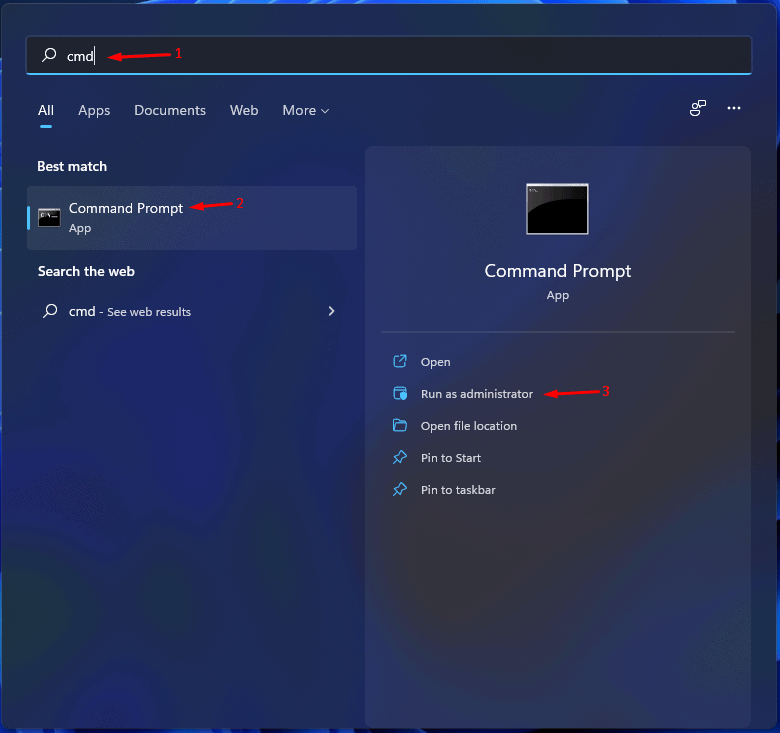
- In the Command Prompt, type the command wmic printer get name and hit Enter to execute.
- You will now see the list of all the printers on your PC.
- Next, type the command printui.exe /dl /n “YOUR-PRINTER-NAME” and execute it. You will have to ensure you replace YOUR-PRINTER-NAME with the printer’s name that is displayed on the list.

- The printer will now get removed. Ensure you restart your PC after doing so.
Deleting Printer Driver Using PowerShell
The last way to delete the printer driver is by using PowerShell. You can do so by following the steps given below-
- Press the Windows + X key combo, and then from the menu, select Windows Terminal (Admin).
- Now enter the command Get-Printer | Format-List Name in the Windows PowerShell and hit Enter to execute the command.
- Next, type the command Remove-Printer-Name “Your-Printer-Name” and hit Enter. Ensure you replace Your-Printer-Name with the name of the printer you see here.
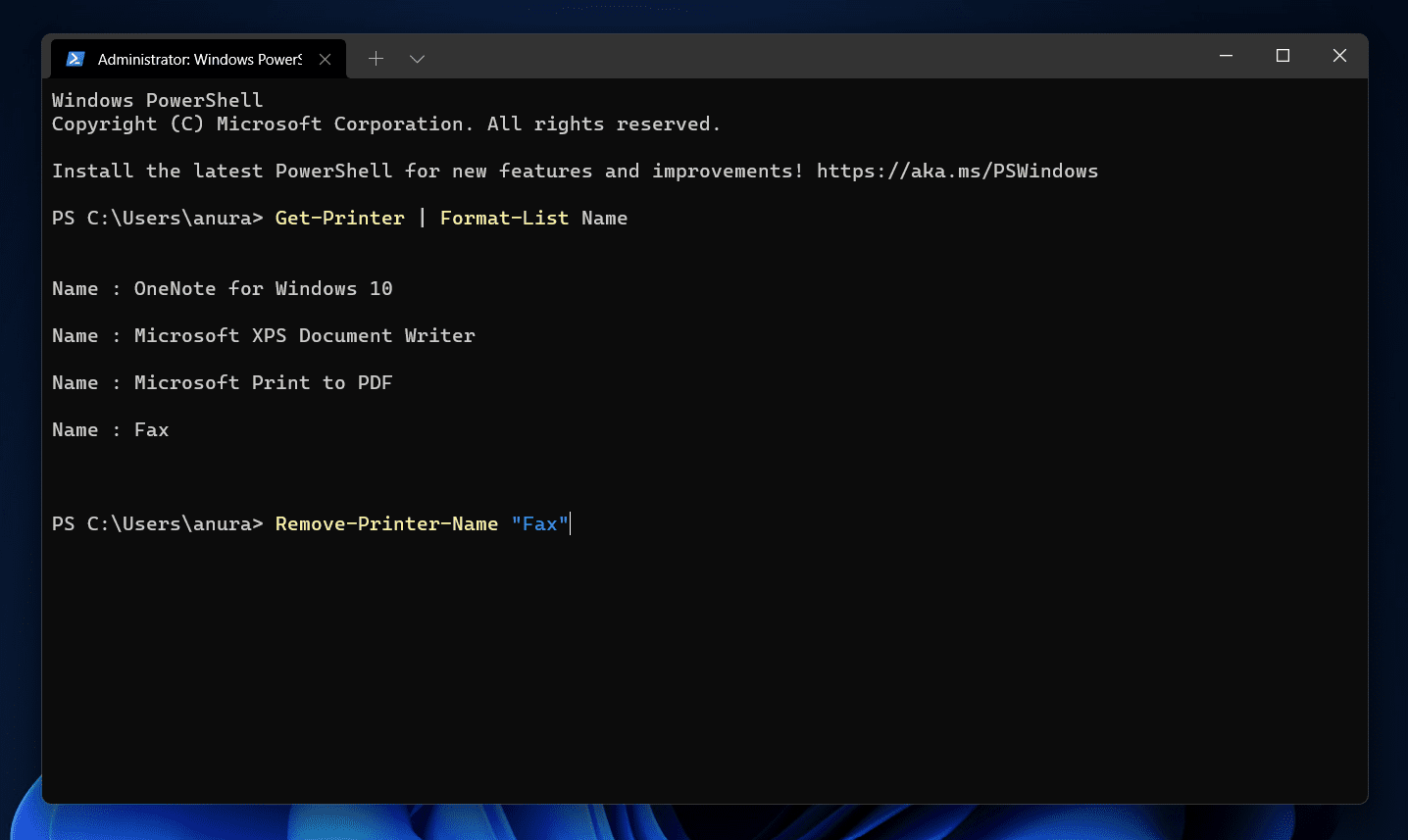
- This will remove the device along with its driver.
RELATED GUIDES:
- How to Create PDF File in Windows 11
- How to Install Windows 11 Printer Drivers Easily
- How to Fix Windows 11 Printer Spooler Error
- Top 5 Ways to Fix Windows 11 23H2 Copilot Not Showing
Final Words
This is how you can delete the printer driver on Windows 11. We have discussed the four ways to delete printer drivers in Windows 11 easily. Following the above steps, you will remove the printer driver in Windows 11.
- Printer drivers are essential for keeping your printer functional and bug-free.
- Update printer drivers through Windows update by accessing Settings, checking for updates, and installing the driver.
- Other methods include downloading drivers from the official website, using a disk to install drivers, or utilizing third-party driver updater software like Driver Booster.
If you are an office person, student or someone, whose main part of the job is printing, then you will need to have updated your printers drivers. Printer drivers are essential to keep your printer functional and updated with all the latest features. Updating the printer drivers ensures that your printer functions and remains bug-free. There are various ways to update printer drivers, you can do it manually as well as with the help of a third-party driver updater.
How To Install Windows 11 Printer Drivers
In this article, we will be discussing how you can install Windows 11 printer drivers.
Updating Printer Drivers Through Windows Update
The very first way to update printer drivers is through the Windows update. Windows update not only brings the updates for Windows but it also brings all the drivers updates for the hardware installed on your PC. To install Windows 11 printer drivers through Windows update, follow the steps given below-
- Head to the Settings app on your PC. To do so, search for Settings in the Start Menu or press the Windows + I key combo. This is the shortcut key to open the Settings app.
- Now in the Settings, click on the Windows update on the left sidebar.
- On the right side of the Settings, click on Check for updates. You will see all the updates for your PC listed here. You will also see an Option updates section here. Click on it, and this is where you will see the driver update.

- Look for your printer drivers here. Download and install your printer drivers.
- After done, close the Settings app and then restart your PC to make the changes.
Download The Drivers From The Official Website
Another way to do this is by downloading the drivers from the official website of your printer’s manufacturer and then installing it. To do so, follow the steps given below-
- Firstly, visit the official website of your printer. For instance, if you are using the printer from Canon, Epson, HP, or any other website, then head to their official website for the printer.
- Now search for your model of printer, and open it. If you don’t know what is the model of your printer, then you can check for it on the printer box. Generally, the model is mentioned on the body of the printer, so you can check that as well.
- Here, you will see the download section, click on it. You will find the drivers for your printer here.
- Download the driver for your printer.
- Now head to the location where you have saved the file, and run the setup by double-clicking on the file.
- Follow the on-screen instructions to install the drivers for your printer.
Use The Disk To Install Drivers
Whatever printer you are using, will have a disk with all the essential drivers required. You should find it inside the box. To follow this step, you must ensure that your PC has a CD driver, else you won’t be able to install drivers using this method.
- Insert the disk into the disk drive of your PC.
- Now open the file explorer on your PC by pressing the Windows + E key combo. You can either search for File Explorer in the Start Menu and open it.
- Double-click on the Disk Drive icon on the File Explorer to run the setup.
- Follow the on-screen instructions to run the setup, and install the printer drivers on Windows 11.
Using Third-Party Driver Updater
Another way to do this is by using third-party driver updater software. There are various third-party driver updater software like Driver Booster or Driver Pack Solution. You can use either of this software to update or install Windows 11 printer drivers.
Download either the Driver Booster or the Driver Pack Solution from their official website. Download and install any of these apps on your PC. When you run the app, you will see the option to scan your PC for outdated or missing drivers. Click on this button. You will have to connect your PC to a stable internet connection.

After the software scans your PC for all the drivers required to be installed or updated, you will see a list of drivers. Select the printer driver, download it and install it. You will be asked to restart your PC. Restart to make the changes, and you will have successfully installed Windows 11 printer drivers.
RELATED GUIDES:
- How to Get Printer Online Issue on Mac
- How To Fix Windows 11 Printer Spooler Error
- How to Get Printer Online on Windows 10 (Offline to Online)
- How to Fix HP Printer Not Showing Up on Network
- How to Fix Error 740 While Adding Printer on Windows 10/11
This is how you can install Windows 11 printer drivers. We hope this article helps you with installing Windows 11 printer drivers.
